BLUEROCK WEALTH MANAGEMENT
A field guide from Neal Owen

More than managing money ยท A field guide for business owners

Would you know if you'd outgrown your advisor?

Managing the money is the entry fee. This guide is the rest of the job: the tells an advisor is out of their depth on corporate wealth, and the questions that show whether yours can hold the whole picture.

Neal Owen, BlueRock Wealth Management
Based in Collingwood, serving owners across Canada
Read
Start here

About sixty seconds.

A wealth advisor spends a lot of hours in rooms most clients never picture. Your lawyer on one side of the table, your accountant on the other, sometimes a real estate advisor, and you at the head of it with millions of your own dollars under discussion.

I have sat in a lot of those rooms over forty years. What happens in them decides more about how your exit and your estate turn out than any portfolio ever will. And what I have watched, over and over, is a sophisticated owner nodding along to jargon, agreeing to things, and finding out afterwards there was something in there they did not understand.

If you have a salary and a savings account, managing the money is most of the job. Own a company, and the money is the smaller part. Holding companies, operating companies, trusts, a corporate tax world leaning on your personal one. The person you hire has to work the whole board, because generally speaking, the expensive mistakes happen between the professionals, not inside any one of them.

You want someone who can be the quarterback for the advisory team.

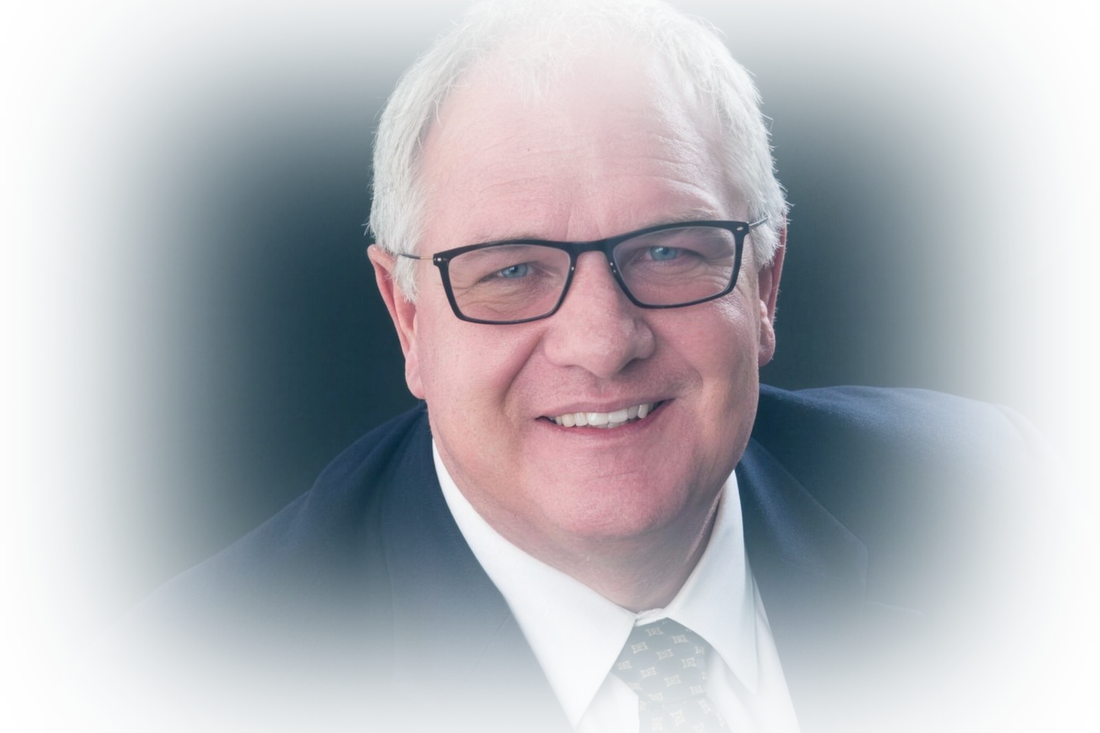
I am Neal Owen. This guide is what those rooms have taught me about choosing the person who holds your picture, and the questions worth asking before you decide.

Section 1

Managing money is the entry fee

Every advisor competes on the portfolio, so the portfolio tells you the least. For an owner, it is the entry fee, not the job.

The job is understanding the structure your money lives inside. Corporations, trusts, the way the corporate side and the personal side lean on each other. What we find with wealthy families is the structures are usually in place, and the owner does not know why. They have a trust and cannot say what it is for. The question they never think to ask is the one I most want to hear. Why would I have a trust. Why would I have multiple trusts. A lot of wealthy families have never heard what a spousal trust is for, or where it has benefit.

An advisor who cannot hold that conversation is managing your portfolio while the larger machine around it runs unattended. Ask about the machine. The answer shows up in the first few minutes.

Section 2

What the quarterback does when the room goes technical

Here is the scene I have watched more times than I can count.

A technically excellent professional is explaining something important, and explaining it badly. Not everybody has good communication skills. They may be brilliant in their field, and the communication is weak. The client nods. The meeting moves on. And afterwards it turns out they agreed to something they did not understand.

The clients never call it out, either. They have dealt with these people for years and do not want to embarrass them. So the confusion stays polite, and it stays permanent, until it costs something.

Now the other version. Someone in the room with good communication skills starts interpreting, and asking the questions the client should be asking but does not know to. You can almost see a lightness come over the client. Oh. That is what I needed to know. That lightness is the quarterback at work, and it is the single most valuable thing I watch happen in those rooms.

The coordination of the lawyer, the accountant, all the advisors, in the same room and on the same page.

The higher the net worth, the more the coordination matters. Ask it straight in the first meeting. Who gets my professionals in one room, and who makes sure I understand every word said in it.
Section 3

The people you already have might be the wrong people

This one is uncomfortable, and it is one of the first things I look at with a new family.

What we find is a set of professionals the family has used for years and genuinely likes, who are not the right people for what the family is doing now. A real estate lawyer drafting an estate. An accountant who was fine at a smaller size and is past their depth at this one. Good people. Wrong seat for this stage of your wealth.

Loyalty keeps everyone quiet about it. Everything concentrates with the familiar few, and concentration risk is absolutely a problem, and not recognizing it is the bigger one. It rarely gets named from inside the circle, because everyone inside the circle is the risk. It takes someone outside it, looking at the whole picture, to say the uncomfortable thing. Part of an advisor's job is being willing to say it. Ask yourself the question first. Are these the right people for what I am doing now, or the people I have always used.

The sentence I listen for
When an owner says this, something that should have been explained never was.
Section 4

The sentence I listen for

In first meetings with owners, I am not waiting for complaints about their last advisor. Owners rarely say they were served badly. It comes out sideways, in one sentence.

Or the quieter one. Oh, I didn't know that. When I hear either, I know what I am looking at. It could be the way the will's written. It could be tax law that is basic to any of us in this work. It could be as simple as the capital gains on a cottage, or on the business itself. Things we deal with every day, and nobody ever walked the client through them.

That is the mark of being underserved. Not bad returns. Unexplained ground. And here is what it means for you. If you have said one of those sentences lately, the gap is not your sophistication. You built a company. The gap is that explaining the ground was never made someone's job. The right advisor closes it on purpose, early, before the ground is under a sale or an estate.

Section 5

Values are part of the work too

Here is a piece of this work almost no owner expects, and it tells you a lot about what an advisor thinks the job is.

When we work with a family on succession, we help them put their values into a document. The clients chuckle at it at first. They think it is overkill. They have lived by their values for decades, so writing them down feels like homework. Then each family member says out loud what they believe the family stands for, and it opens the owner's mind. Things they lived by and never once said to each other.

One family found charitable giving mattered more to them than anyone had put into words. The statement they wrote now guides which charities they support and how they decide on requests. When you are talking about millions of dollars of inheritance, an agreed set of values is what the family falls back on after the parents are gone.

No portfolio produces that. It comes from an advisor who treats the family as part of the wealth, and it is worth asking any advisor you interview whether the family is part of their job or outside it.

Section 6

A few questions to bring to the first meeting

You do not need to be technical to ask these. Listen to how they land.

How do you work with corporate structures and trusts, and when would you flag one to me.

Who gets my lawyer, my accountant, and the rest into one room, and keeps them rolling in the same direction.

In your honest read, are the professionals I use today the right ones for what I am doing now.

What do you handle for an owner beyond the portfolio, and what stays with my other advisors.

When something goes technical, how do you make sure I understand it, instead of nodding along.

The facts in the answers matter less than the tells. Familiar ground or new territory. Plain English or jargon. Whether the space between your professionals is clearly somebody's job, because in my experience the space between them is where owners lose the most.

Section 7

Honest answers to the questions owners ask

Is a good return not the whole point.

The return is what every advisor competes on, so it is the weakest signal you can hire on. What I watch decide outcomes for owners is the other part. Whether the structure was understood, whether the professionals were coordinated, whether anyone explained the ground before it was under a sale. Ask about the part most people never check.

How do I know if an advisor understands corporate structure.

Raise it and watch. Holding companies, trusts, the corporate will beside the personal one. The tell is not a wrong answer. It is the blank spot, the pause, the pivot back to the portfolio when you asked about the structure.

What does the quarterback do, week to week.

Gets the lawyer, the accountant, and the other advisors in the same room, on the same page, rolling in the direction you chose. Translates as it goes, so you are deciding with full knowledge instead of nodding and finding out afterwards. In those rooms I watch for one thing, whether the client understands what is being agreed to. When they do, everything downstream gets easier.

Do I have to switch advisors to fix this.

Not necessarily. Sometimes the answer is the right specialists placed around the advisor you have. The point of the questions is not to send you looking. It is to make sure whoever holds your picture is equipped to hold all of it, the structure, the professionals, and the family, and not only the money.

Before you decide who holds the picture

Request a second opinion

A private second opinion on your exit, before the deal is on the table. No cost. No pressure. No obligation.

01

A thirty-minute conversation

You walk me through where the business is and where you want to end up. No intake forms. No pitch.

02

A written second opinion

A structured review of your exit readiness. Valuation, structure, succession, and what walking away comfortably looks like for you.

03

You decide what is next

Keep your current adviser, go further, or use the document. No obligation at any step.

Book your thirty-minute conversation

Neal Owen, President. BlueRock Wealth Management.